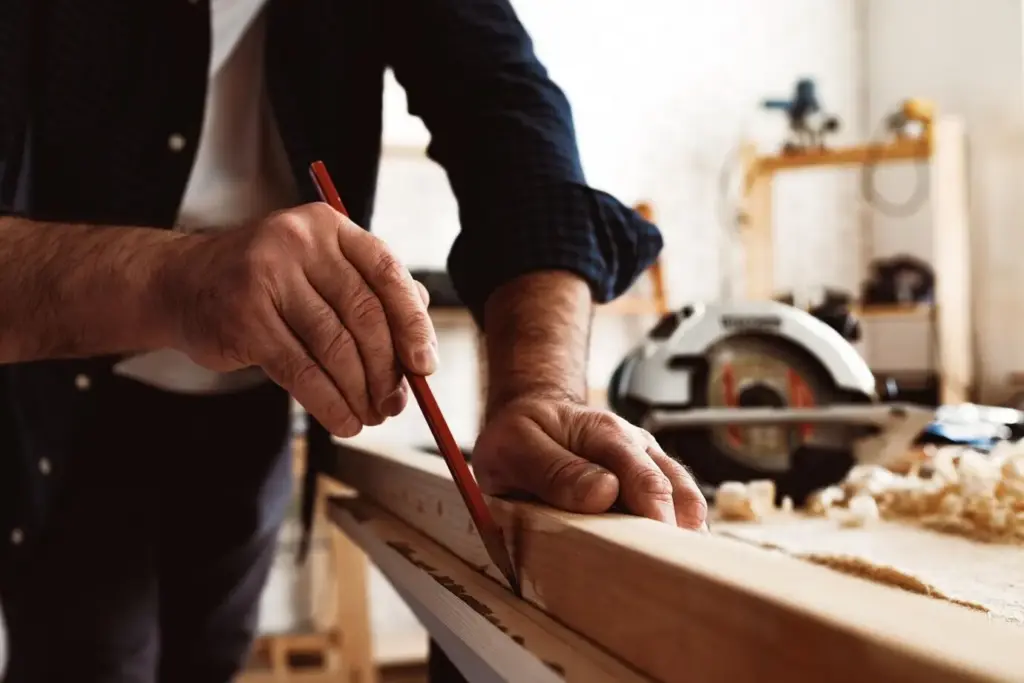
Modern Coffee Tables, Reborn from Reclaimed Wood
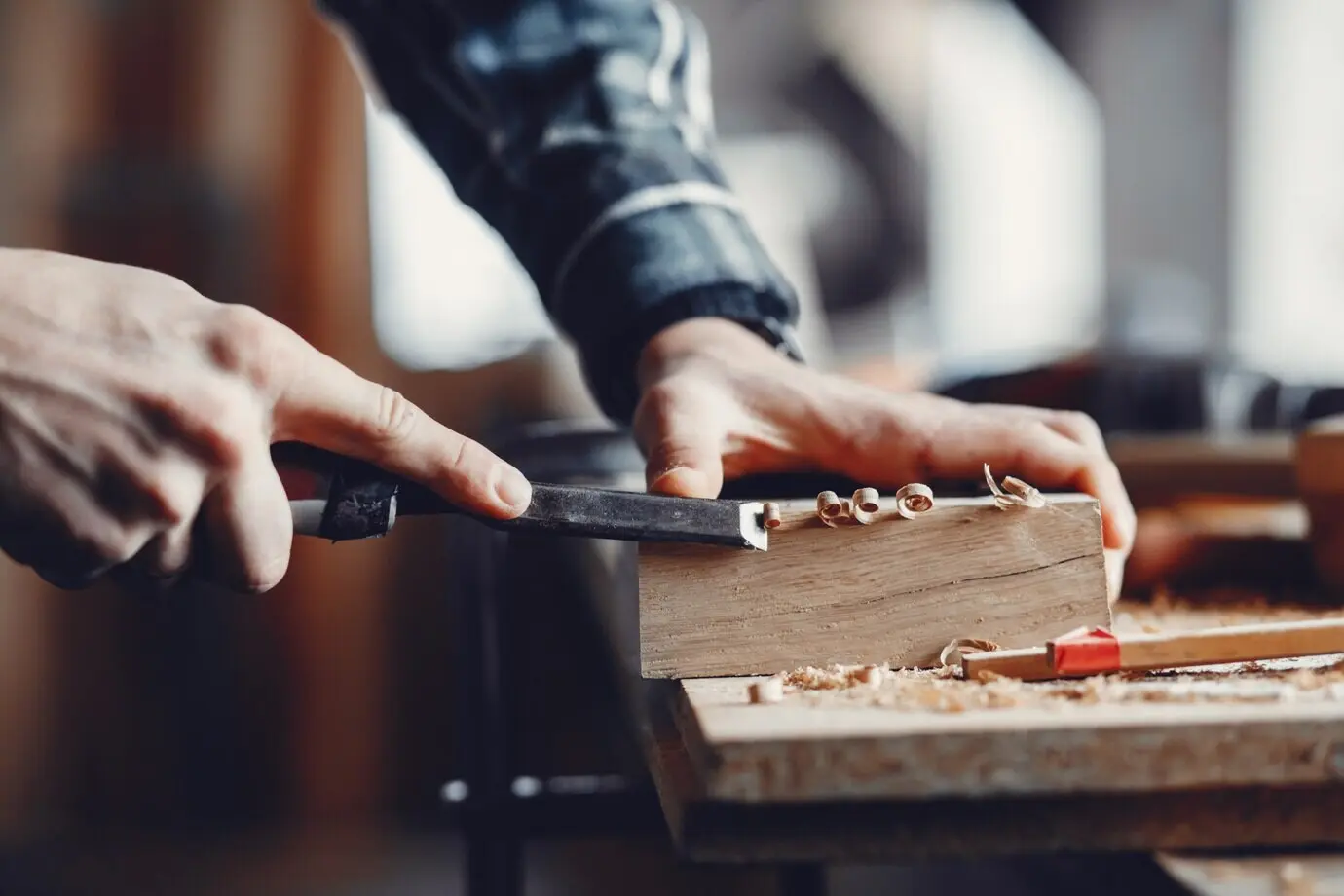
Join us as we dive into upcycling reclaimed wood into modern coffee tables, turning beams and floorboards with history into functional centerpieces. Discover sourcing tips, contemporary design strategies, eco-impact insights, durable joinery and finishes, plus stories that make every surface conversational. We will celebrate character, reduce waste meaningfully, and provide practical guidance so you can build or commission a piece that looks fresh, feels timeless, and performs beautifully in everyday life.

From Forgotten Timber to Living Room Centerpiece
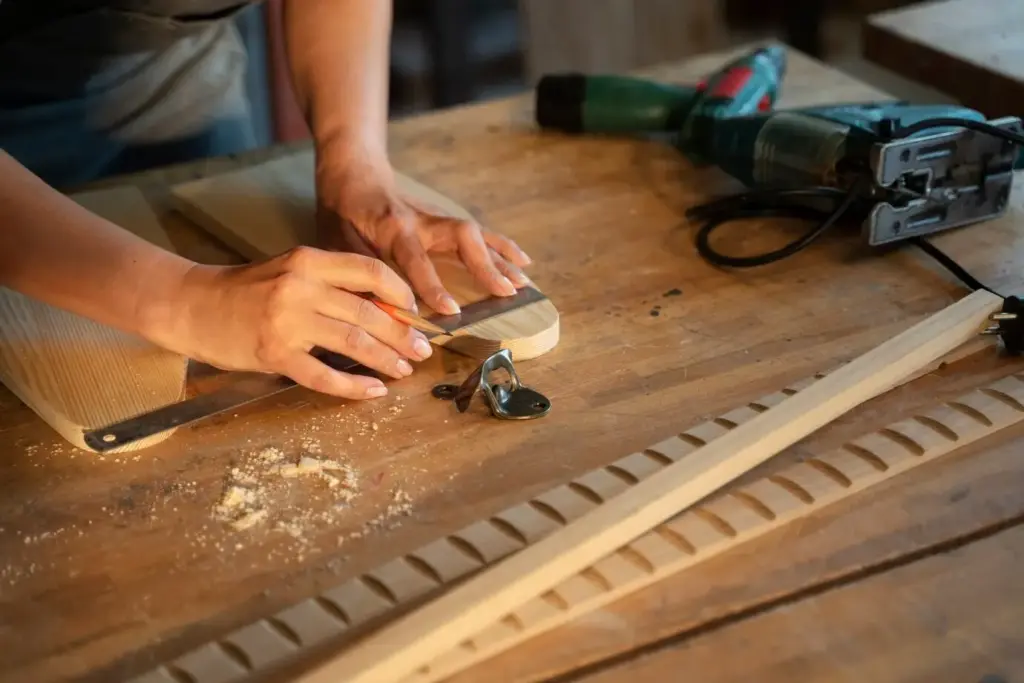
Before a sleek coffee table anchors your conversations, those boards likely survived decades of service inside barns, mills, or warehouses. Their nail scars, oxidation, and weathered edges carry stubborn memories. We’ll journey from salvage to refined form, preserving personality while shaping crisp silhouettes, ensuring the wood’s past whispers through clean lines, modern proportions, and intentional negative space that allows patina, grain, and knot clusters to harmonize with today’s interiors rather than overwhelm them.

Contemporary Design Principles with Character

Clean geometry and honest materials thrive together when proportions are intentional. Modern rooms appreciate restraint, but not sterility; reclaimed wood invites warmth without sacrificing clarity. We’ll match top thickness to leg visual weight, manage overhangs, and coordinate negative space with surrounding seating. Tactile edges, quiet detailing, and tight joinery allow aged material to sit comfortably beside steel, glass, and textiles, creating a cohesive, inviting focal point that feels grounded, light, and confidently current.

Proportions that Fit Modern Spaces

Aim for a height aligning with sofa cushions, typically forty to fifty centimeters, so cups rest naturally. Keep length two-thirds of the sofa to maintain flow, and allow comfortable walking clearance around all sides. Thinner tops read more contemporary, especially paired with slender bases, while broader edges communicate solidity. Let grain direction guide elongation, and use subtle chamfers to visually lighten mass. Good proportion quietly disappears until admired, then suddenly feels inevitable and right.

Balancing Mass and Lightness

Reclaimed timbers can look heavy. Offset with open bases, slim aprons, or recessed plinths that create a floating effect. Consider shadow lines to visually separate top from structure, and tapered legs to lift the form. Metal stretchers introduce air and contrast, while glass shelves maintain sightlines. Maintain honest thicknesses; do not fake. The interplay of volume and void allows the wood’s gravity to command presence without visually crowding rugs, plants, or neighboring seating in repose.

Responsible Sourcing and Ethical Choices
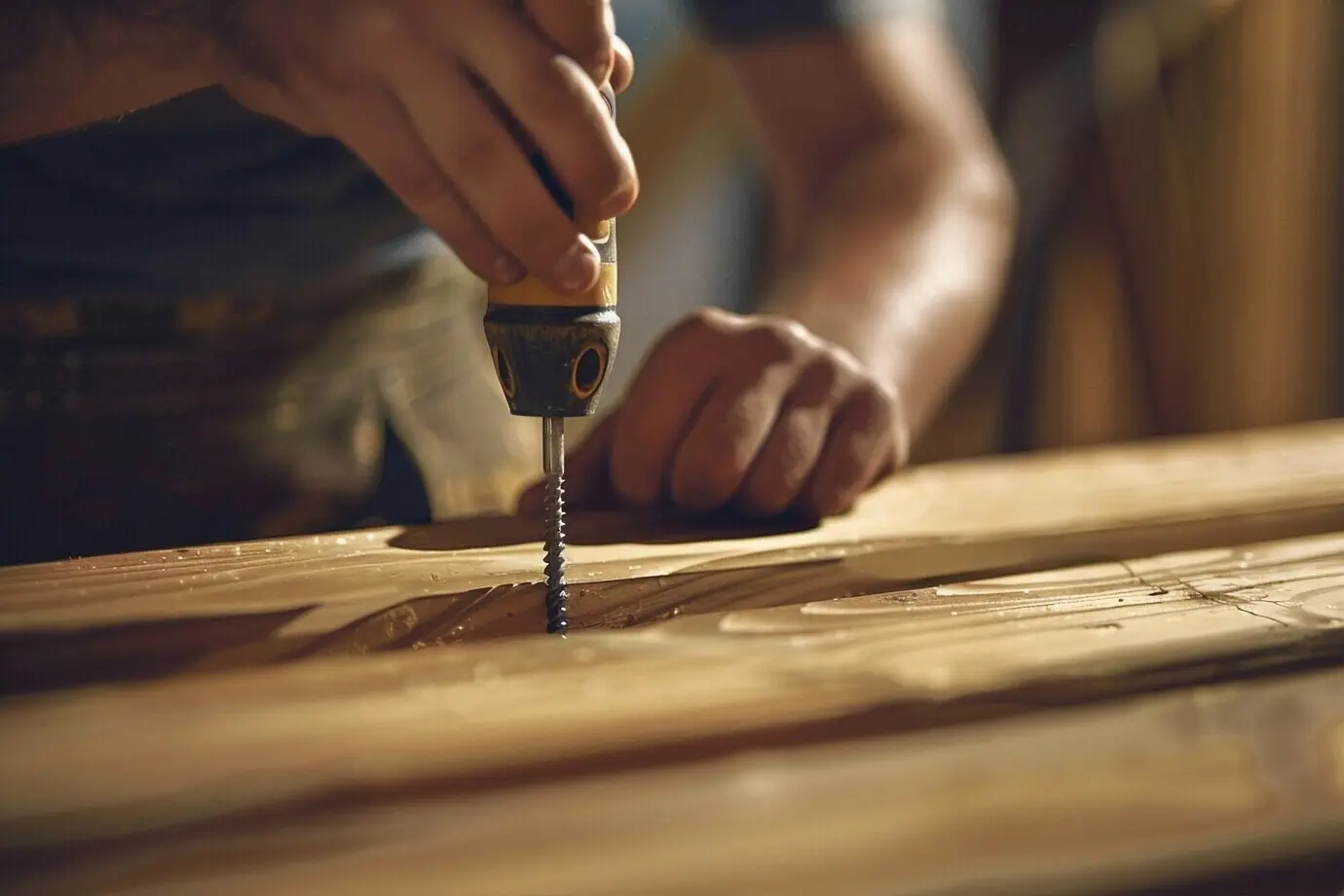
The origin of your material matters as much as the final silhouette. Choose suppliers who document sources, avoid illegally harvested lumber, and respect local histories. Reclaimed wood often arrives from deconstructed buildings, shipping pallets, or industrial floors; each pathway carries safety considerations. Ask about fumigation, lead paint, and embedded metals. Favor community salvage yards, circular-economy organizations, and small mills, ensuring your table contributes to environmental health, regional craft resilience, and transparent, respectful material stewardship for years.

Joinery that Lasts Through Daily Life
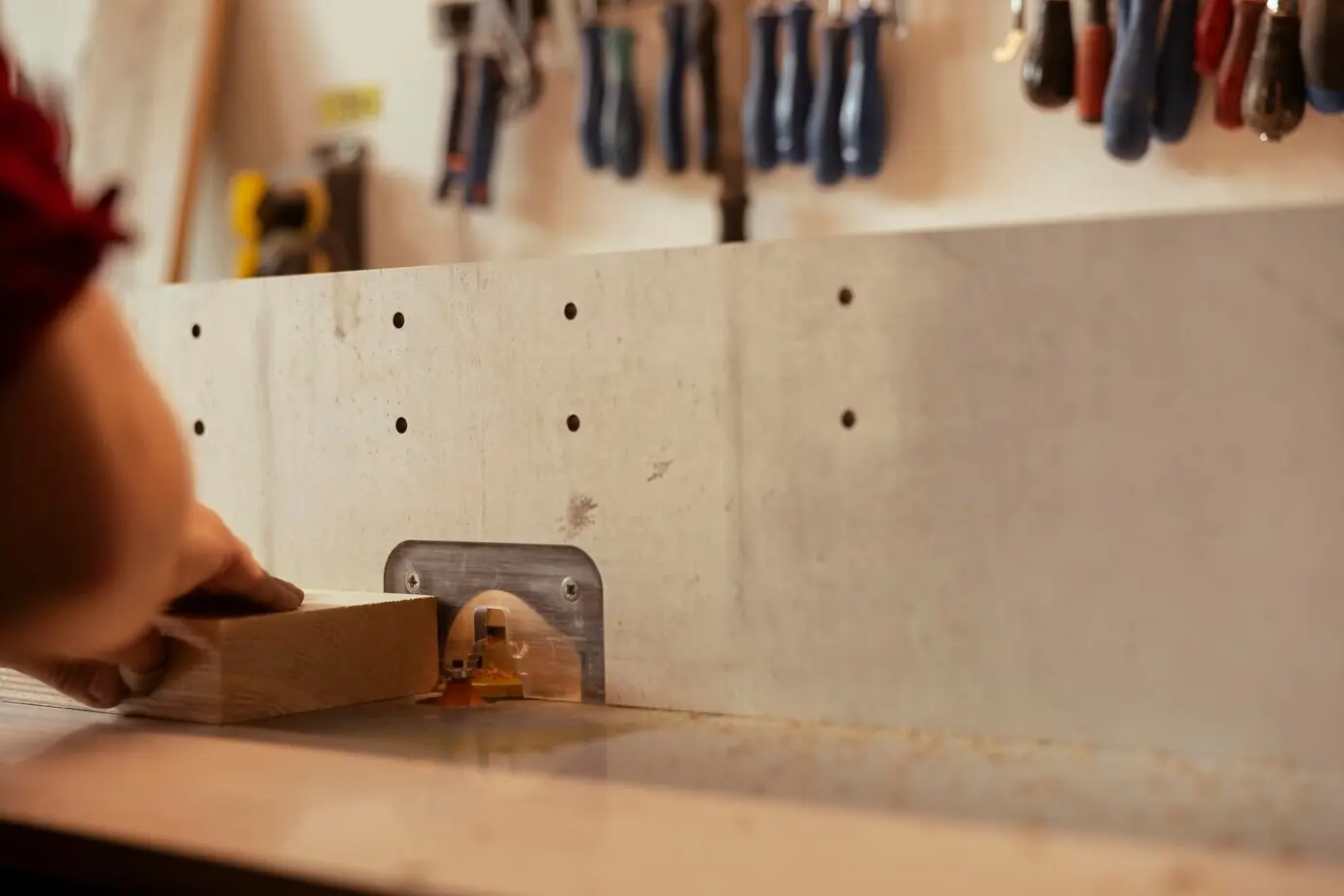
Modern coffee tables endure kicks, mugs, books, and shifting humidity. Joinery must quietly resist all of it. Consider aligners that respect wood movement and connections that prioritize repairability. Breadboard ends keep tops flat while allowing seasonal expansion, and well-planned aprons maintain rigidity without bulk. Underneath, smart structures vanish visually yet work tirelessly, inviting years of use. Strength becomes a background assurance that lets design stay light, confident, and reassuring beneath every conversation and cup.

Breadboard Ends, Splines, and Dominos

Breadboard ends prevent cupping while permitting seasonal movement through offset tenons or floating connectors. Splines align boards and strengthen miters, especially on waterfall edges that showcase continuous grain. Domino or loose-tenon systems accelerate consistent, strong joinery with minimal visual noise. The key is designing for movement: elongated holes, reversible glue strategies, and pressure where stability matters. Thoughtful mechanics stay invisible, supporting daily life while your attention rests on grain, color, and the tactile pleasure of touch.

Hidden Strength in Thin Profiles

To keep a modern silhouette, tops might be visually thin. Reinforce with cleverly recessed battens, internal ribs, or steel flat bars embedded in grooves. These elements disappear from sight yet counteract sag across generous spans. Pair with strategic apron placement that maintains knee clearance and vacuum access. The result is a light-looking form with an unexpectedly solid handshake, inviting books, laptops, board games, and feet-up relaxation without compromising straight lines, level surfaces, or quiet confidence over time.

Leveling Feet and Movement Allowance

Floors are rarely perfect, and wood always moves. Adjustable feet protect rugs and prevent wobble, while slotted holes in base-to-top connections accommodate seasonal shifts. Keep fasteners accessible for future tune-ups. If adding shelves, leave expansion gaps and orient grain thoughtfully. When your table settles into a home with radiant heat or coastal humidity, these small decisions preserve stability and calm. People notice reliability subconsciously, feeling welcome to gather, lean, and linger around an easy, dependable companion.

Low-VOC Oils and Hardwax Finishes

Consider plant-based oils or hardwax blends that penetrate deep and cure hard, leaving a natural sheen easily refreshed over time. Apply thin, even coats, buff between layers, and respect curing windows for best durability. These finishes invite touch, enhance grain contrast, and avoid plastic gloss. They are ideal for active households, letting you spot-repair scuffs without stripping everything. Lower emissions create a healthier workspace and living room, aligning craft decisions with everyday wellbeing and thoughtful environmental responsibility.

Stain, Tint, or Clear: Choosing Color

Many reclaimed boards already carry rich color from oxidation and age. Clear finishes can be breathtaking, yet subtle tints unify mixed species or patchwork layouts. Test on offcuts in varied light—morning sun, evening lamps, and overcast afternoons. Aim for warmth without muddiness, and avoid burying texture beneath pigment. Let end grain glow rather than darken excessively. With mindful sampling, color becomes a quiet ally, highlighting story and craft while harmonizing with rugs, artwork, and surrounding furniture.

Impact, Storytelling, and Community

Upcycling reclaimed wood cuts demand for new lumber and diverts material from landfills. Share quantifiable impact—estimated board feet saved, transport distances reduced, and finishes chosen for lower emissions. But don’t forget the human dimension: builders, deconstruction crews, and local mills form a supportive network. Tell these stories alongside your table. Invite feedback, questions, and photos from readers’ living rooms. That exchange turns craft into community, continually refining practices while celebrating personal spaces shaped with care.

Calculating Carbon and Material Savings

While precise numbers vary, you can estimate embodied energy avoided by reusing boards rather than buying newly milled stock. Factor in shorter transport and reduced kiln drying. Track offcuts repurposed into coasters or trays, and recycle sawdust responsibly. Publishing even rough calculations educates friends and clients, helping them understand why thoughtful material choices matter. Transparent accounting encourages better decisions, celebrates incremental progress, and builds trust around design that protects forests while delighting daily routines.

Naming the Piece and Sharing Provenance

Give your table a name linked to its origin—Warehouse No. 6, Harborline, or Orchard Beam. Include a small card describing where the wood lived and how it was transformed. Photographs of deconstruction, milling, and finishing add texture to the story. Guests connect immediately when they learn the surface hosting their tea once supported freight, apples, or engines. Narrative is not decoration; it is substance, inviting care, respect, and a deeper relationship with the object and place.

Invite Feedback, Subscribe, and Participate

We’d love to hear how you source materials, what finishes hold up in your climate, and which design details earn compliments at home. Share photos, questions, or clever fixes in the comments. Subscribe for build guides, finish tests, and interviews with salvage experts. Your experiences shape future articles, tool lists, and templates. Together, we build a supportive circle where mistakes become lessons and reclaimed wood finds fresh purpose as practical, beautiful furniture that lasts generously.

Zofarerexeni
Privacy Overview

This website uses cookies so that we can provide you with the best user experience possible. Cookie information is stored in your browser and performs functions such as recognising you when you return to our website and helping our team to understand which sections of the website you find most interesting and useful.